The Evolution of Ball Bearings: From Simple Mechanisms to Precision Engineering
AnisaSamizdat | | Категория: Статьи
Своё Спасибо, еще не выражали.

Ball bearings, seemingly simple yet sophisticated, have played a pivotal role in the development of modern technology BBC-R. From the first rudimentary designs to the high-precision bearings used in aerospace and medical equipment, their evolution reflects the relentless pursuit of efficiency, durability, and precision in engineering.
The Genesis of Ball Bearings: A Journey from Ancient Times to the Industrial Revolution
The earliest evidence of ball bearings can be traced back to ancient civilizations. The Romans used wooden rollers to reduce friction in chariots, while the Chinese employed ceramic balls in their ingenious spinning wheels. These early iterations served as precursors to the modern ball bearing, but lacked the precision and durability that would later define the technology. The Industrial Revolution marked a turning point in the development of ball bearings. With the advent of steam engines and machines, the demand for smooth, low-friction motion increased significantly. In 1794, a crucial advancement came with the invention of the "ball race" by William Murdock. This system used a circular groove to guide the balls, greatly improving bearing performance.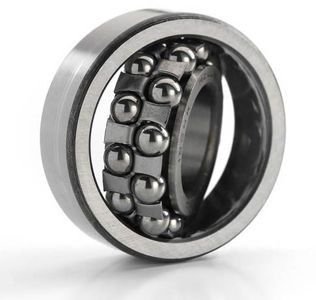
The Rise of Precision: Innovations in Materials and Manufacturing
The 19th century saw the emergence of modern ball bearings. The introduction of steel, a much stronger and more wear-resistant material than earlier wood or ceramic, revolutionized the field. Further advancements in machining and grinding techniques led to the production of highly precise balls and races. The development of specialized steels, including high-carbon and stainless steel, further enhanced the durability and corrosion resistance of ball bearings. This opened doors for their use in demanding applications like automotive and aerospace industries.The Age of Specialization: Tailoring Ball Bearings for Specific Applications
As technology advanced, the demand for specialized ball bearings grew. Different industries required bearings with unique characteristics to meet specific needs.- Automotive: High-speed, high-load ball bearings were developed to handle the demanding conditions of engines and transmissions.
- Aerospace: Lightweight, highly corrosion-resistant bearings were essential for aircraft and spacecraft applications.
- Medical: Sterilizable, corrosion-resistant, and biocompatible bearings were developed for medical implants and instruments.
Modern Ball Bearings: Pushing the Boundaries of Performance
Contemporary ball bearings incorporate advanced materials, precise manufacturing techniques, and innovative designs. Ceramic balls, for example, offer superior hardness and wear resistance compared to steel, enabling extremely high speeds and extended service life.- Hybrid Bearings: Combining ceramic balls with steel races creates a highly durable and low-friction bearing solution.
- Magnetic Bearings: These bearings use magnetic forces instead of physical contact, allowing for frictionless operation and greater precision.
Key Components of a Ball Bearing: Understanding the Anatomy
A typical ball bearing consists of several key components:- Balls: Round steel or ceramic balls that roll between the inner and outer races.
- Inner Race: An inner ring that rotates with the shaft.
- Outer Race: An outer ring that is fixed to the housing.
- Cage: A separator that keeps the balls evenly spaced and prevents them from colliding.
The Importance of Lubrication: Minimizing Friction and Extending Lifespan
Lubrication is critical for maintaining the efficiency and longevity of ball bearings. Lubricants, typically oils or greases, reduce friction between the moving parts, preventing wear and tear. The choice of lubricant depends on factors such as operating temperature, speed, and load. From their humble beginnings to their sophisticated modern iterations, ball bearings have become an indispensable component in virtually every industry. Their ability to provide smooth, low-friction motion has revolutionized transportation, manufacturing, medical technology, and countless other fields. As engineering continues to advance, we can expect even more innovative ball bearing designs that push the boundaries of performance and efficiency.
Своё Спасибо, еще не выражали.
Уважаемый посетитель, Вы зашли на сайт как незарегистрированный пользователь. Мы рекомендуем Вам зарегистрироваться либо зайти на сайт под своим именем.
Информация
Посетители, находящиеся в группе Гости, не могут оставлять комментарии в данной новости.
